
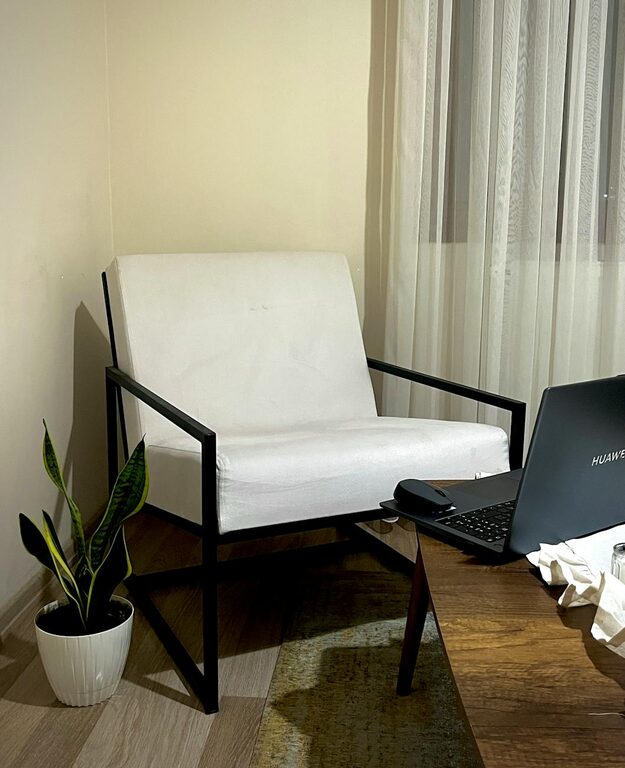
Creating a home office that is both cozy and functional is key to maintaining productivity and comfort when working from home. Whether you have a dedicated room or a small corner, the right setup can make a big difference in your workday. Here are some practical tips to help you design a workspace that supports focus while feeling inviting.
Choose the Right Location
Finding the best spot for your home office is the first step. Ideally, select a quiet area with minimal distractions. If possible, choose a space with natural light, such as near a window. Natural light helps reduce eye strain and can boost mood and energy.
If you don’t have a separate room, consider using room dividers or a bookshelf to create a defined workspace. This visual separation helps maintain boundaries between work and relaxation.
Invest in an Ergonomic Chair and Desk
Comfort is crucial when spending long hours at your desk. An ergonomic chair with adjustable height, lumbar support, and good cushioning can prevent back and neck pain. Pair it with a desk that suits your height to keep your posture correct.
Incorporating a sit-stand desk or using a standing desk converter can offer flexibility and encourage movement throughout the day, which benefits your health.
Optimize Lighting
Good lighting reduces eye strain and helps maintain alertness. Combine natural light with task lighting to get the best results.
– Use a desk lamp with adjustable brightness to focus light on your work area.
– Avoid harsh overhead lights; instead, opt for soft, diffused lighting.
– Position your computer screen perpendicular to windows to minimize glare.
Organize with Smart Storage Solutions
Clutter can hinder productivity and make a space feel less cozy. Use storage options that keep your desk tidy and your supplies within reach.
– Shelves, drawers, or filing cabinets help organize papers and books.
– Drawer organizers and desk trays keep small items like pens and paperclips sorted.
– Baskets or bins can store items you don’t use daily but want accessible.
Labeling storage containers can further simplify finding what you need quickly.
Add Personal Touches for Warmth
A home office should feel welcoming and reflect your personality. Adding personal touches can increase comfort and motivation.
– Choose colors and decor that inspire you. Calming tones like soft blues or greens create a peaceful ambiance, while brighter shades may energize you.
– Display photos, artwork, or plants to make the space feel alive.
– Incorporate cozy textiles such as a soft rug or a throw blanket for warmth.
Manage Cables and Technology
A tangled mess of cables can be distracting and make your space look messy. Keep your technology neat and functional.
– Use cable clips or ties to bundle cords together.
– Consider wireless devices like a keyboard and mouse to reduce clutter.
– Position your router or modem nearby to ensure good connectivity.
Create Zones for Work and Relaxation
If space allows, design separate zones within your office for different activities. For example:
– A main desk area for focused computer work.
– A small seating corner with a comfortable chair for reading or brainstorming.
– A whiteboard or bulletin board space for jotting down ideas or reminders.
These zones can help shift your mindset as you move through different tasks.
Incorporate Plants and Natural Elements
Bringing nature indoors enhances air quality and uplifts mood. Small potted plants like succulents or ferns are low-maintenance and add greenery.
If you prefer, decorative items such as wood accents, stones, or natural fabrics can achieve a similar calming effect.
Maintain a Routine and Clean Space
A tidy office encourages productivity. Take a few minutes each day to organize your desk and reset your space. Regular cleaning and decluttering reduce distractions and help you start fresh every morning.
Setting a daily routine with regular breaks ensures that your workspace remains a place of balance, not stress.
—
Designing a home office that balances coziness and function doesn’t require major renovations. With thoughtful choices in location, furniture, lighting, and decor, you can create an inviting environment that supports your work and well-being. Start with small changes and adjust your space as you discover what best suits your needs.