
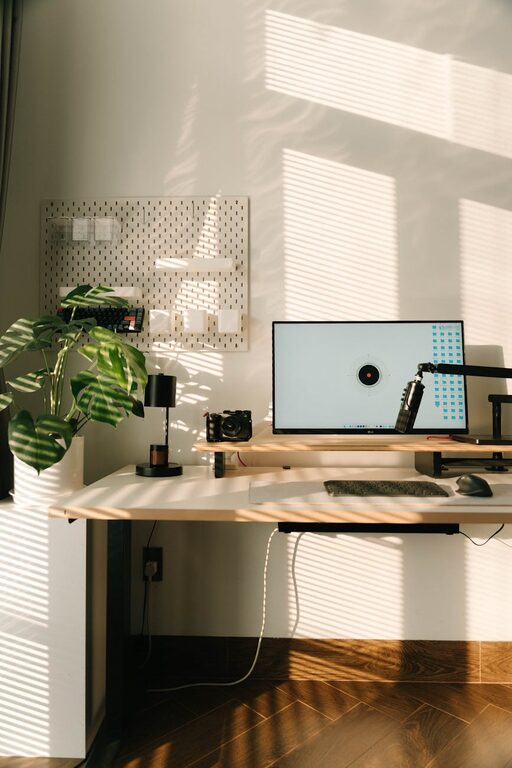
Creating a relaxing home workspace is essential for maintaining productivity and work-life balance when working from home. A well-designed area not only helps you focus but also reduces stress and improves motivation. Whether you have a dedicated room or just a corner of your living space, these tips will help you set up a calming and efficient workspace.
Why a Relaxing Workspace Matters
When your workspace feels cluttered, noisy, or uncomfortable, it’s easy to become distracted and overwhelmed. A relaxing environment encourages a positive mindset and can make longer work hours more bearable. Investing time into creating this space helps you develop better work habits and improves overall productivity.
Choose the Right Spot
Consider Natural Light
Try to position your workspace near a window to get plenty of natural light. Sunlight boosts mood and energy levels, making it easier to stay focused. If natural light is limited, invest in a good quality desk lamp with adjustable brightness.
Minimize Distractions
Choose a quiet area away from household noise and high-traffic zones. This helps you concentrate without constant interruptions. Noise-cancelling headphones can also be helpful in busier environments.
Organize Your Desk for Efficiency
Declutter Regularly
Keep only the essentials on your desk to avoid visual clutter. A clean surface promotes a sense of calm and allows you to focus on your tasks.
Use Smart Storage Solutions
Use drawers, shelves, or desk organizers to keep supplies neatly stored. Label containers or trays for easy access to frequently used items like pens, paper, or chargers.
Personalize Thoughtfully
Adding personal touches such as a plant, photo, or artwork can make your workspace feel inviting. Choose items that inspire you without creating distractions.
Invest in Comfortable Furniture
Ergonomic Chair and Desk
Comfort plays a big role in maintaining productivity. An ergonomic chair with proper lumbar support prevents back pain, while an adjustable desk lets you find the right height to reduce strain.
Consider Standing Options
Using a sit-stand desk or a desk converter allows you to alternate between sitting and standing. This can improve circulation and reduce fatigue over time.
Keep a Calming Color Palette
Colors affect mood and energy. Soft, neutral tones like light blues, greens, or beige create a peaceful atmosphere. Avoid overly bright or harsh colors that can increase stress levels.
Manage Cables and Tech
Tangled cables can cause frustration and clutter. Use cable organizers or clips to keep wires tidy and out of sight. Make sure your computer, printer, and other devices are positioned ergonomically, minimizing the need for awkward reaching.
Incorporate Relaxation and Refreshment
Take Regular Breaks
Set a timer to remind yourself to take short breaks every hour. Stand, stretch, or walk around to refresh your mind and body.
Add a Small Water Station or Healthy Snacks
Keeping hydrated and nourished supports concentration. A reusable water bottle and some healthy snacks nearby make it easy to maintain energy without leaving your workspace frequently.
Use Calming Scents and Sounds
Aromatherapy can contribute to a relaxing environment. Consider using a diffuser with essential oils like lavender or eucalyptus. Alternatively, play soft background music or ambient sounds such as rain or forest noises to reduce stress and improve focus.
Maintain a Routine
Creating a regular schedule helps your brain differentiate work time from leisure time. Start and end your workday with rituals such as tidying your desk, reviewing your tasks, or stretching.
Final Thoughts
A relaxing home workspace is more than just a physical area; it’s a space that fosters productivity, creativity, and well-being. By thoughtfully choosing your location, furniture, color scheme, and organization methods, you can create an environment where work is more enjoyable and efficient. Experiment with these tips and adjust them to your personal preferences for the best results.